And What to Do About It
Do you ever find yourself reaching for snacks even when you’re not hungry?
Maybe it’s late at night, or right after a stressful meeting, or during those moments when everything feels overwhelming.
If this sounds familiar, you may be dealing with emotional eating.
Here’s the truth: emotional eating has nothing to do with willpower or weakness.
For many women—especially those balancing careers, family responsibilities, and personal struggles—food becomes more than fuel.
It turns into a source of comfort, distraction, or even self-punishment.
The problem is that while emotional eating might make you feel better in the moment, it often leads to guilt, frustration, and a sense of being out of control. The good news is that by recognizing the signs, you can start to gently shift your habits and find healthier ways to cope.
Let me introduce you to five common signs of emotional eating, plus some practical steps you can take to break the cycle and feel more in control of your relationship with food.
1. You Eat When You’re Not Physically Hungry
One of the clearest emotional eating signs is turning to food when your body doesn’t actually need it.
Maybe you’ve had dinner but still find yourself rummaging through the cupboards an hour later. Or perhaps you eat because you’re bored, stressed, or restless—not because your stomach is growling.
What to do about it:
- Pause and check in. Before reaching for food, ask yourself: Am I physically hungry, or am I trying to soothe an emotion?
- Hydrate first. Sometimes thirst disguises itself as hunger. A glass of water or calming herbal tea can make a difference.
- Use a hunger scale. Rate your hunger from 1–10. If you’re not genuinely hungry, try another soothing activity like stretching or journaling.
2. You Crave Specific Comfort Foods
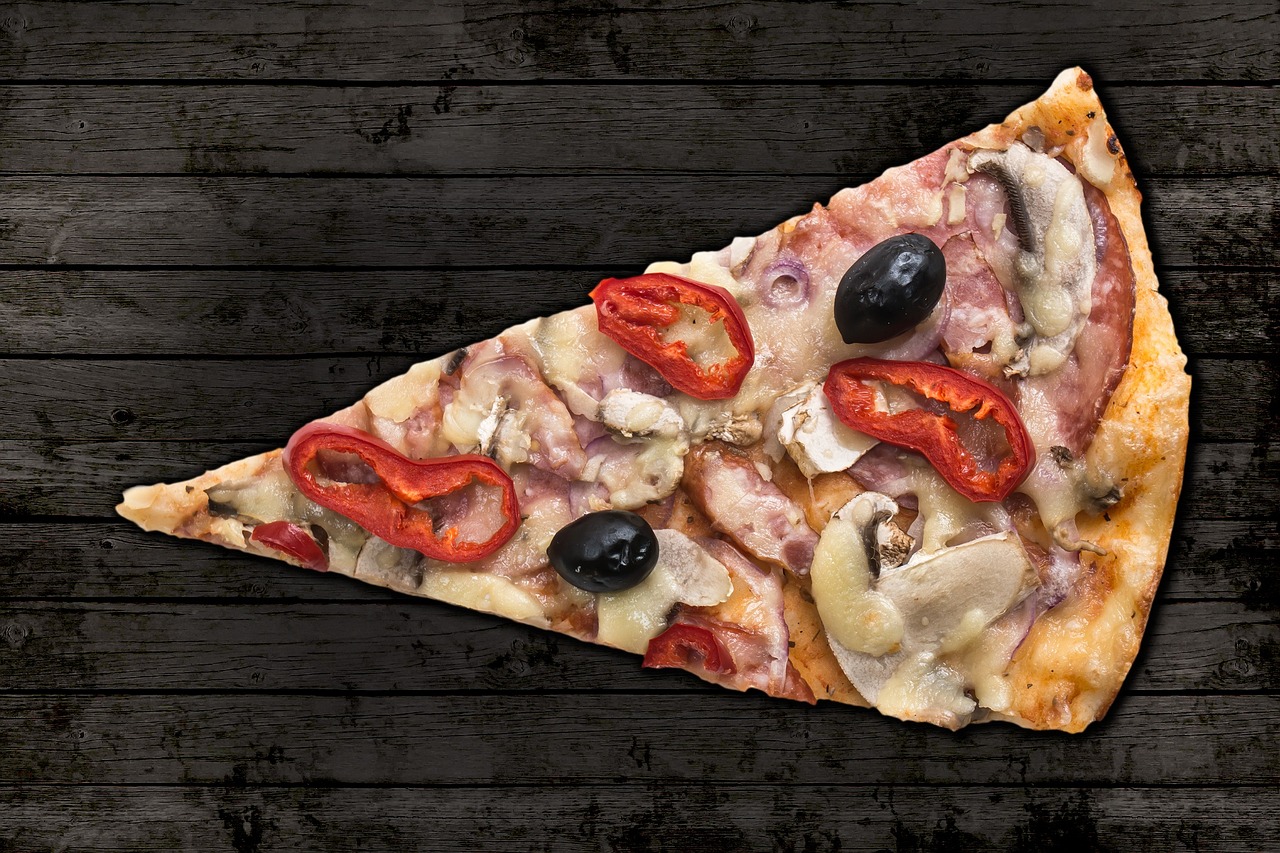
When emotions strike, do you suddenly crave chocolate, crisps, ice cream, or pizza? Emotional hunger tends to be very specific—it’s not about nourishing your body, it’s about chasing a quick mood boost. That’s because these foods trigger dopamine, a “feel-good” brain chemical, which provides temporary comfort.
What to do about it:
- Find healthier swaps. Reach for fruit with nut butter, a handful of nuts, or dark chocolate instead of ultra-processed snacks.
- Slow down. If you do indulge, eat mindfully. Notice the taste, texture, and smell. This slows the cycle and reduces over-eating.
- Identify the trigger. Ask yourself: What emotion am I trying to soothe right now? Naming it often reduces its intensity.
3. Eating Brings Relief—But Then Guilt
Another emotional eating sign is that eating makes you feel better in the moment—but guilt, shame, or regret quickly follow. This cycle reinforces negative emotions, which then drive even more emotional eating.
What to do about it:
- Replace guilt with curiosity. Instead of beating yourself up, ask: What was I feeling right before I reached for food?
- Journal the pattern. Keeping a gentle food and mood journal helps you connect emotions with eating habits.
- Develop non-food coping tools. Go for a walk, do a breathing exercise, call a friend, or listen to calming music.
4. Food Becomes a Reward or Source of Comfort
Do you “treat yourself” with food after a hard day?
Or use it as a way to comfort yourself when you’re feeling low?
While it’s natural to enjoy food, relying on it as your primary reward or comfort can trap you in emotional eating cycles.
What to do about it:
- Create a comfort list. Write down 5–10 non-food ways to reward or soothe yourself—like a bath, reading, or a favourite TV show.
- Celebrate without food. When you hit a milestone, reward yourself with something that truly nourishes you—like new flowers for your home, a massage, or quality time with a friend.
- Practice self-compassion. Remind yourself: I deserve kindness and care, and I don’t need food to prove that to myself.
5. Eating Feels Automatic and Hard to Stop
Many women describe emotional eating as feeling “automatic.” Before you even realize it, the crisps are gone or the biscuit tin is empty. This lack of awareness often happens when eating is tied to stress or distraction.
What to do about it:
- Eat without screens. Avoid eating in front of the TV, laptop, or phone. Distraction makes overeating much more likely.
- Practice mindful pauses. Halfway through your meal or snack, pause, breathe, and check in with how full you feel.
- Use portioning strategies. Serve food on a plate or bowl instead of eating straight from the packet. This simple step creates more awareness.
Final Thoughts
If you see yourself in these five signs, please know that you are not alone.
Emotional eating is incredibly common, especially for women navigating the pressures of modern life.
The important thing is to recognize that emotional eating is a signal—not a failure. It’s your body and mind’s way of telling you something deeper needs care.
With gentle awareness and small steps, you can break the cycle and build a healthier, kinder relationship with food. Start by choosing just one of the strategies above this week, and see how it feels.
Remember: true wellness isn’t about strict rules or punishing yourself—it’s about learning to listen to your body, care for your emotions, and create balance in your life.